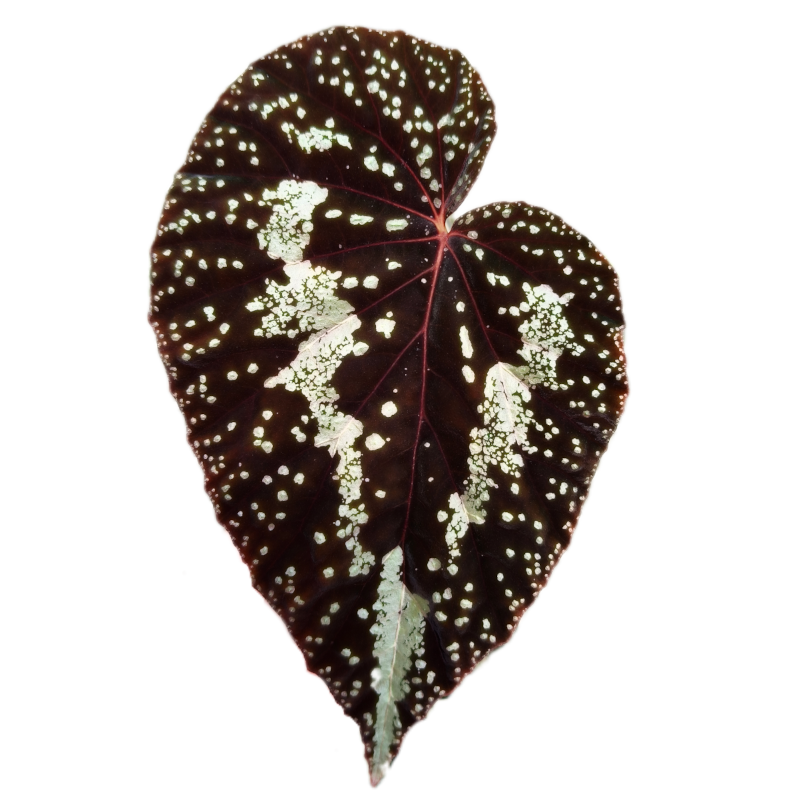

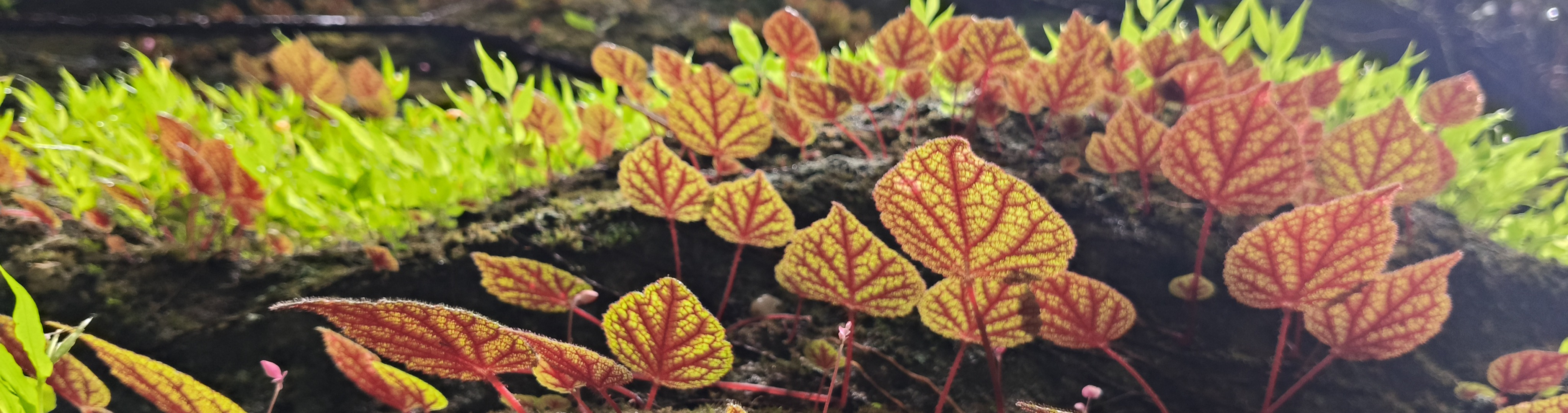
B. biserrata
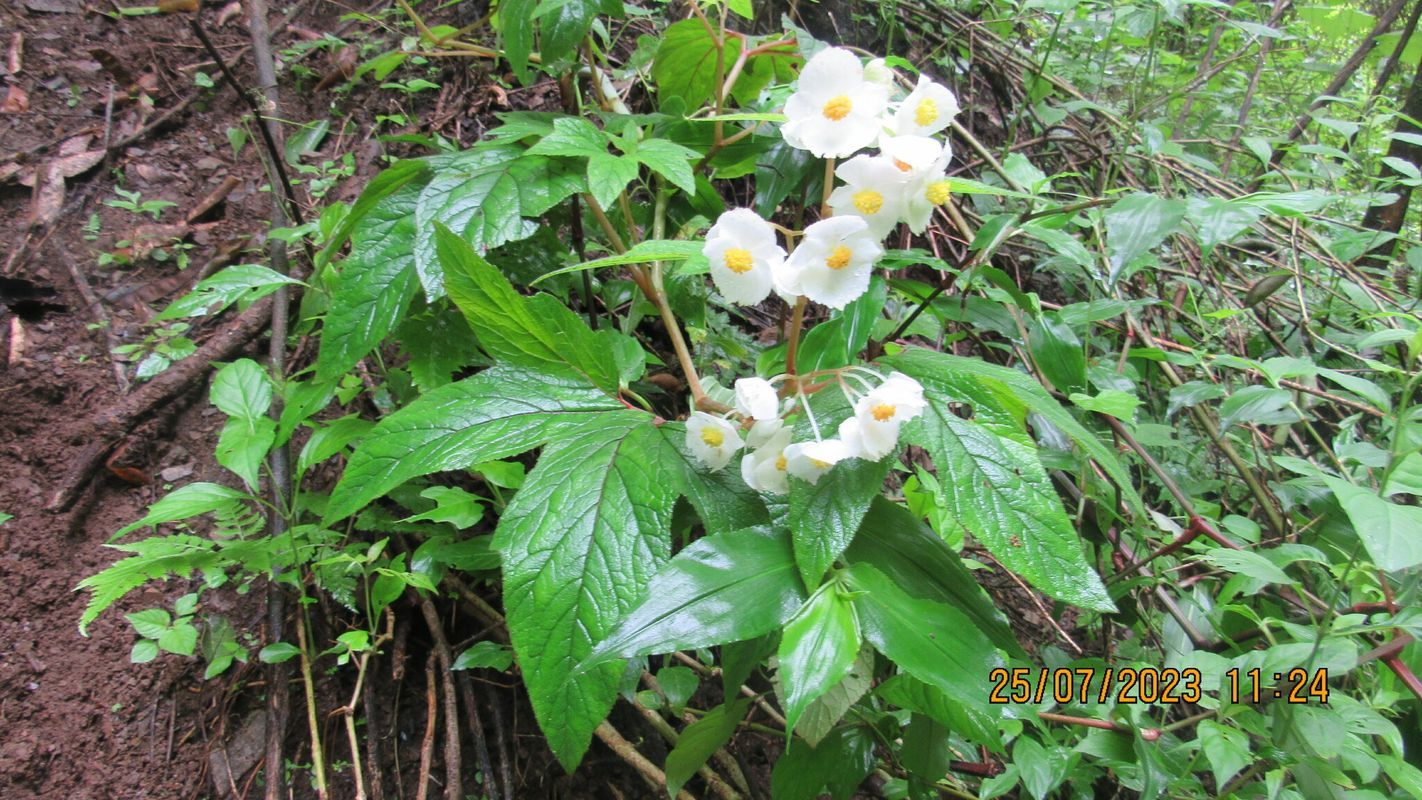
Curtis’s Botanical Magazine; v. 79 = ser. 3, v. 9, 1853 B. biserrata: Among an interesting collection of Begonias lately presented to us by William Wilson Saunders, Esq., is the present very well-marked species, said to have been discovered in Guatemala, by G. U. Skinner, Esq. Like all other Begonias, it requires to be frequently increased by cuttings, and then We are more sure of good flowering specimens. It blossoms with us, in the stove, in the summer months, and makes a very handsome appearance. Description. Two to nearly three feet high, lax, yet capable of supporting itself. Stems terete, villous, as is every part of the plant, except the inside of the flowers, with soft white scattered hairs. Leaves alternate, on rather long petioles, broadly but obliquely cordate, palmato-lobate, lobes about five, but unequal, and subinciso-serrate, ciliated, lowers leaves sometimes almost a span broad, the upper ones gradually smaller; all submembranaceous, soft pale yellowish-green. Panicles cymose, longer than the leaves, axillary and terminal, dichotomously divided, bracts small ovato-lanceolate at the setting on of the branches. Male flowers large, rose-colored and white. Sepals four, spreading; two outer ovato-cordate, incised and ciliato-serrate two inner small and more ovate. Female of five or six sepals, less spreading; three outer cordate, the two or three inner small, inciso-serrate, and ciliated. Immature fruit clothed with stout, soft, subulate, long, white hairs, three-winged, two of the wings short and rounded, the third scarcely twice as large, and with an obtuse angle above.
- Classification: Species
- Plant Type: Tuberous
- Botanical Section: Quadriperigonia
- Origin: America, Mexico, Guatemala, El Salvador
- Originator: Lindl.
- Date of Origin: 1847
Begonia Community Hub
Share a Growing Update
Loading community updates...