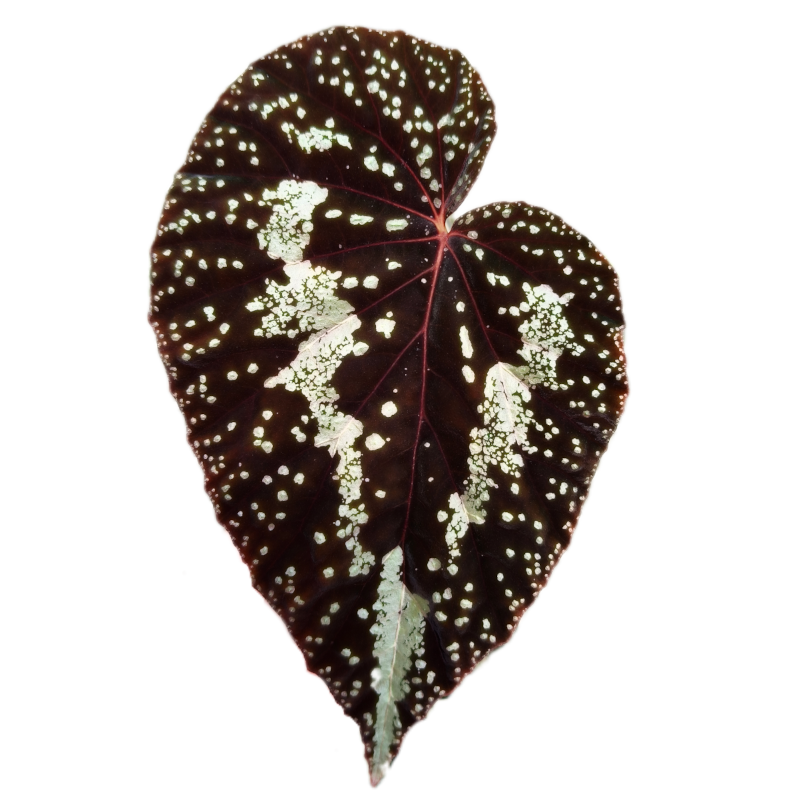

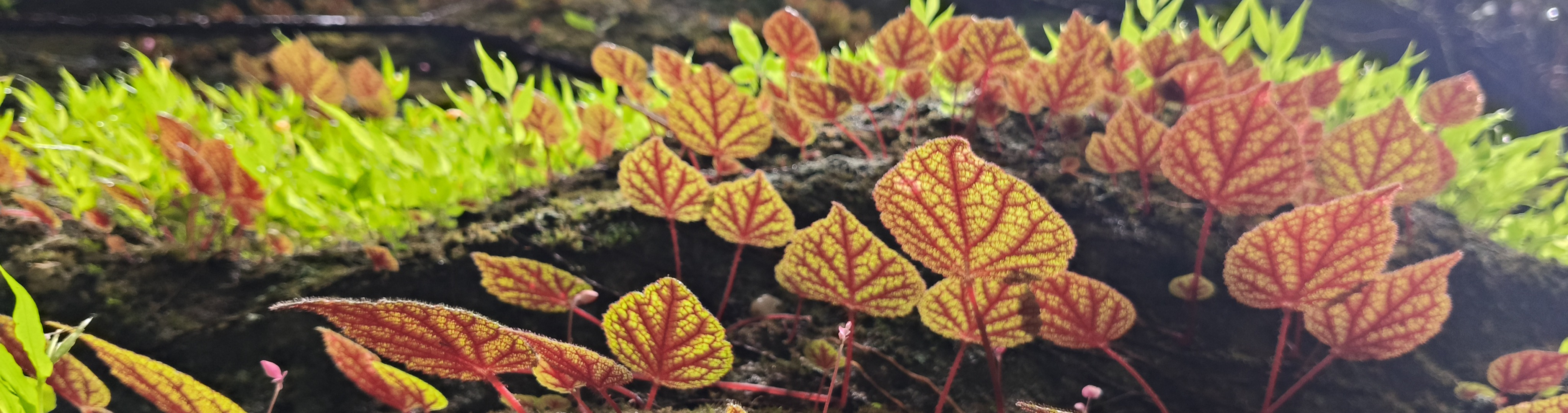
B. sinuata var. sinuata

Curtis's botanical magazine, v. 66 = ser. 2, v. 13 (1839) B. sinuata (however this does not appear to be the plant currently called B. sinuata, I cannot find another SYN.) The number of species in cultivation of this beautiful genus has been greatly increased of late years, and a large proportion through the often-mentioned Garden at Berlin, from whence this was sent to the Botanic Garden, Edinburgh, and to Dr. Neill in 1836, under the name here adopted. In both these establishments it flowered in the end of May and in June. The country from which it was originally obtained was not stated to us. Description: Whole plant glabrous and shining. Stem thick, short, much branched; branches erect, tumid at the joints. Stipules attenuated at the apex, dilated at the base, and sometimes half-sagittate, marcescent. Petioles (2-3 inches long) suberect, channeled above. Leaves shorter than the petioles, unequally cordate, lobed, shortly and bluntly toothed, slightly waved, bright green above, paler below, where the veins are deep red, especially on the older leaves. Cymes axillary; peduncle about as long as the petiole, slightly compressed, dichotomous, with a male flower in the fork, and one male and one female flower on each division. Male flowers: dipetalous, white, petals equal and subrotund, stamens united only at the base of the filaments. Female flowers: with five unequal petals. Germen with three subequal, acute wings, slightly rose-colored at the edge near the base when young. Graham.; The sparkling begonia; Whole plant glabrous and shining. Stem thick, short, much branched; branches erect, tumid at the joints. Stipules attenuated at the apex, dilated at the base, and sometimes half-sagittate, marcescent. Petioles (2-3 inches long) suberect, channelled above. Leaves shorter than the petioles, unequally cordate, lobed, shortly and bluntly toothed, slightly waved, bright green above, paler below, where the veins are deep red, especially on the older leaves. Cymes axillary; peduncle about as long as the petiole, slightly compressed, dichotomous, with a male flower in the fork, and one male and one female flower on each division. Male flowers dipetalous, white, petals equal and subrotund, stamens united only at the base of the filaments. Female flowers with five unequal petals. Germen with three subequal, acute wings, slightly rose-colored at the edges near the base when young. Graham.
- Classification: Species
- Plant Type: Tuberous
- Botanical Section: Parvibegonia
- Origin: Asia, Cambodia, Vietnam, Peninsular Malaysia, Myanmar and Indonesia
- Originator: Meisn.
- Date of Origin: 1836
Begonia Community Hub
Share a Growing Update
Loading community updates...