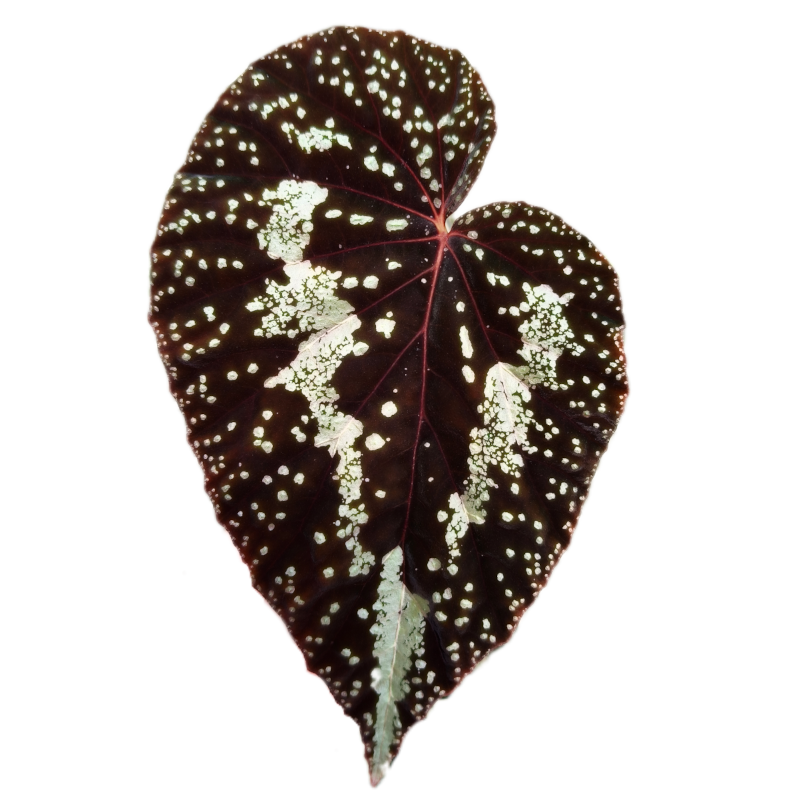

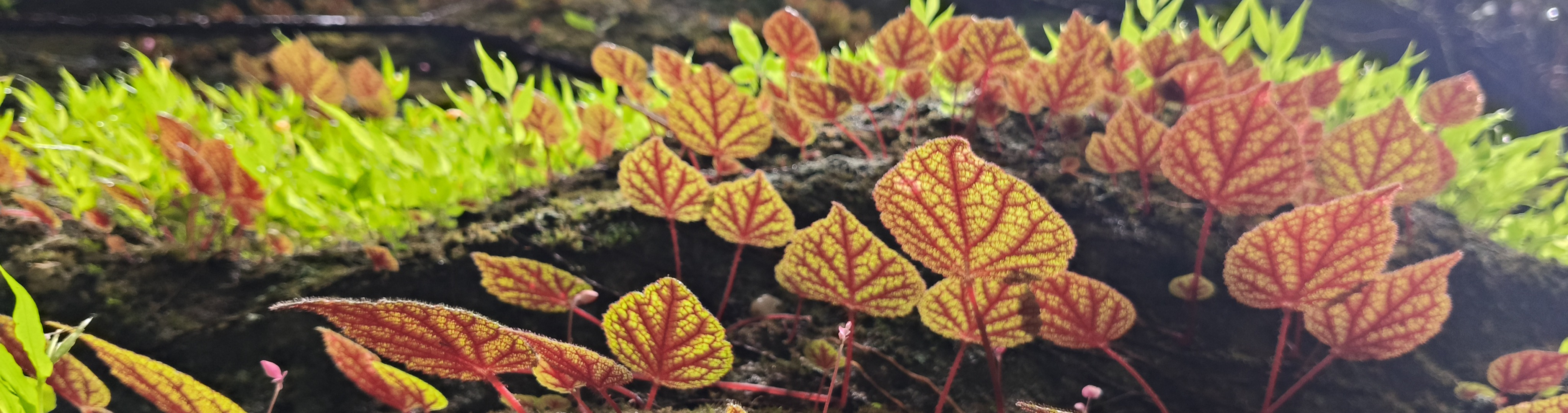
B. antongilensis
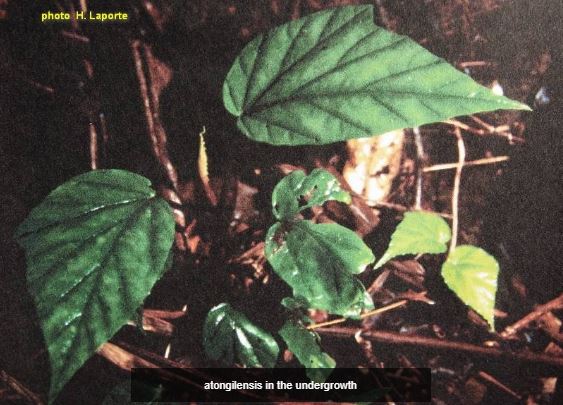
Small plant, irregular underground tubercle, rhizomatous; fine roots, several stems per tubercle, simple, grelike, up to 10 cm tall, glabrous or with some brown hairs, sparse. Leaf petiole 2.5-5 cm long, with brown hairs or glabrous hair; blade equilateral, pinnatinerve, broad lanceolate, acute acumina at the top, rope or attenuate at base, 6-13 X 2.5-5 cm, glabrous on both sides, with shallow margins; spotted teeth; median rib finely projecting above; 4-8 veins on each side, fairly close to the base, the upper ones clearly oblique. Scaly, lanceolate, acumine-shaped, at the top, 5 mm long. Axillary inflorescence, in biparous pauciflorous, bisexual cymes; Iong peduncle of 4-10 cm; short branches. MALE flowers with a pedicel length of 5-8 mm; bracts lanceolate, deciduous; 4 elliptical, pink or white tepals at the base and pink ± bright up, 8-10X 4-8 mm both internal a little smaller. Stamens ± 15, with threads united in a 1-2 mm column, slightly curved, forming a slightly depressed androcee; oblong antheres. FEMALE flower with pedicel of 4-1 0 mm: 6 pink tepals, similar to those of the MALE flowers, but a little more narrow. Ovoid-oblong ovary: styles 3, soda in a short column at the base, bifid at the top; stigma in a papillous arc with a spiral end. Capsule 15 x 15 mm, distinctly leaned, pedicel long 12-15 mm, with unequal wings, the widest 10-12 mm wide, triangular-obtuse, the other two narrow, hardly 3-4 mm width; central part (carpels) 15 X 7 mm, oblong; network of nerves not very visible. - Pl. 29 p. 95.
Pests Diseases
- Classification: Species
- Plant Type: Tuberous
- Botanical Section: Erminea
- Origin: Africa, Madagascar
- Originator: Humbert
- Date of Origin: 1972
Begonia Community Hub
Share a Growing Update
Loading community updates...