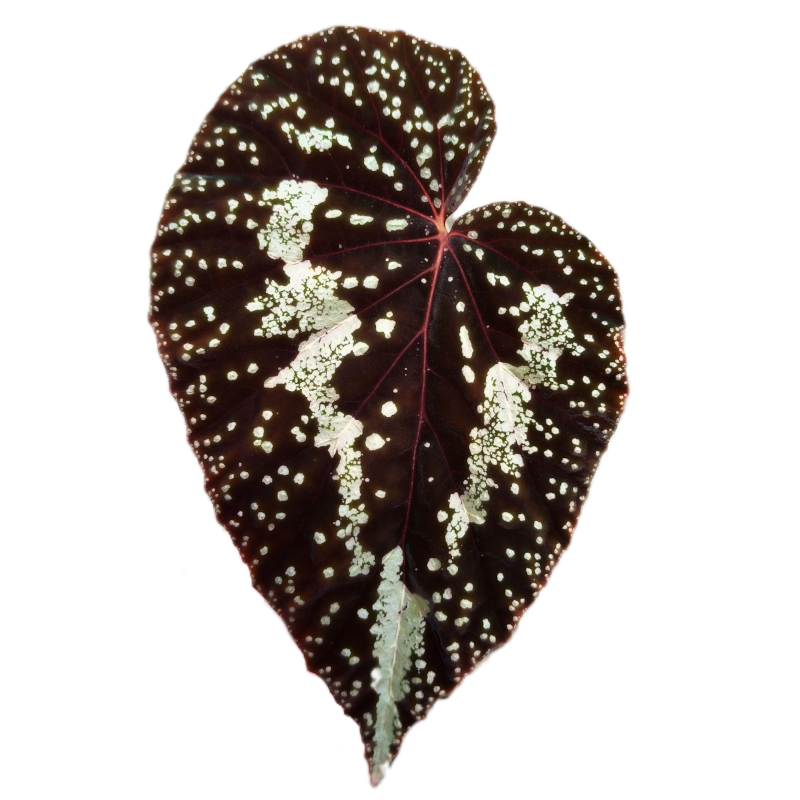

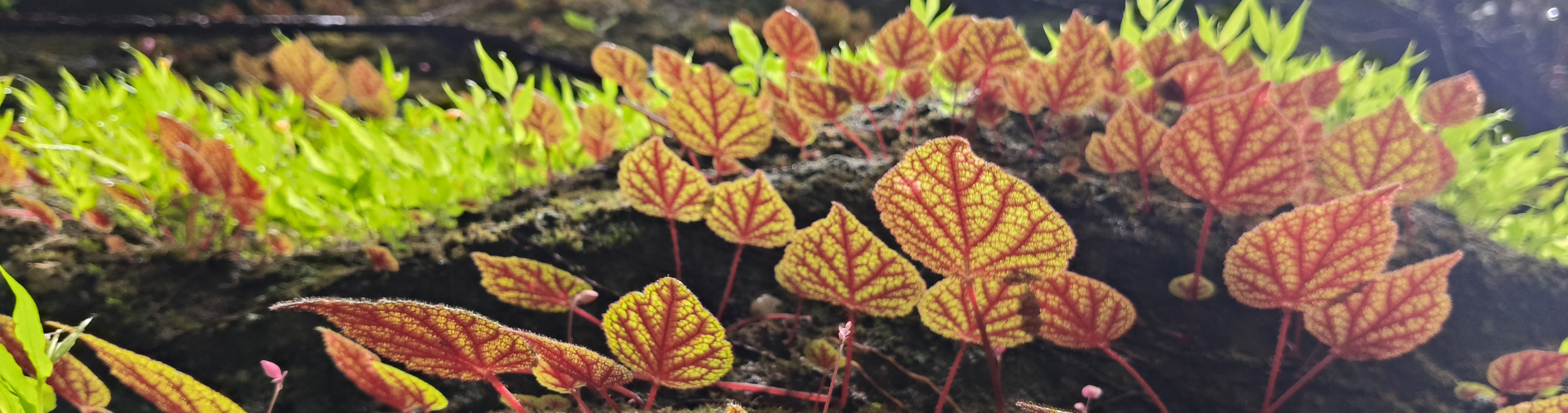
B. acutifolia
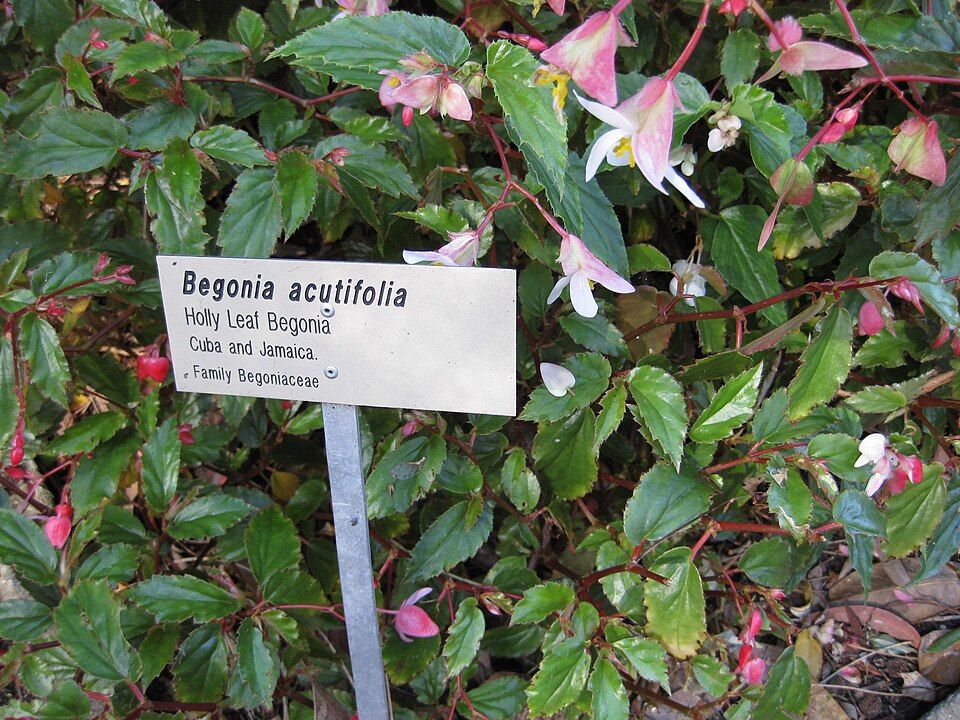
A mound forming plant that grows in full sun producing an almost everlasting display of white blushed pink flowers; Curtis’s Botanical Magazine v. 69 = ser. 2, v. 16, 1842 B. acutifolia as SYN. B. acuminata The various species of BEGONIA have not been valued by Horticulturists in general, according to their merits. As stove plants, few families present a great variety of color and form in their foliage. They are easily increased, ready flowerers, and the blossoms are highly beautiful. A collection of various species, grouped together, as is now the case in the Royal Garden of Kew, is at all seasons of the year attractive; and from among this group the present one, though far indeed from being the handsomest, is selected. It was introduced to the establishment by Sir Joseph Bank, from Jamaica, In 1790, and flowers, more or less copiously, from May to December. Description: Our plant rises with several weak, though rather stout, fleshy, semi-pellucid, reddish stems, having a few scattered patent hairs, to the height of three or four feet, branched. Leaves on short, rounded petioles, two to three inches long, succulent, very oblique, or, in other words, semi-cordato-ovate, hispid, plaited at the nerves, acuminate, lobed and inciso-serrate at the margin. Stipules ovate, membranous, deciduous. Peduncles axillary, longer than the leaves, hispid, bearing three to five flowers. Male flowers consisting of four, white petals, two large and acute, two about half that size and obtuse. Female flowers with five white petals, of which two are smaller. Fruit with one large and two small membranous wings.
- Classification: Species
- Plant Type: Shrub-like
- Botanical Section: Begonia
- Origin: America, Cuba, Jamaica
- Originator: Jacq.
- Date of Origin: 1787
Pot into a free draining medium with a pH of about 5.5. Grows well in the ground. Fertilise in growing period. Medium feeder. Tolerant
Begonia Community Hub
Share a Growing Update
Loading community updates...